The Teambuilding
Puzzle
I don’t really know exactly where it came from or when it showed up but there was a 1,000 piece jigsaw puzzle tucked away in a hallway in our office building near a bunch of post-pandemic empty offices. The round puzzle of black and white gears was on a specially-designed puzzle table (featuring eight small, narrow drawers that could be used to help organize the pieces) and wasn’t really touched for years. A few of the edge pieces we connected but for the most part, nobody ever stopped to try–at first glance, it was a futile project that nobody bothered to just put back in the box.
Eventually, there was a reorg (one of many) and I had to move my team to this empty part of the office, right next to the puzzle. The new area moved us from an open, social bullpen with few offices to an area that was very divided by cubicles and quiet. I had shared my concern with my leadership team that I was worried that the close connections within the team would be damaged as people slowly retreated into their own cubicle areas. As we moved in, I think each of the team glanced at the imposing jigsaw puzzle challenge and moved on. To a degree, it became a bit of a joke to each other to try to solve the scattered pieces before people settled into the cubes.
Walking past an unfinished puzzle each day slowly made its impact. It became almost impossible for most of us to walk by without spending a few moments thinking about how to put it all together. Eventually, there became a method to the madness (move the thin gear pieces into the same area, find the spiraled edge parts, try to connect spokes) and slowly areas started getting completed.
The value of 'play' in the office is well documented. During some business booms, it was even a strong selling point but eventually there was a backlash. The “fun” seemed forced and there was a revolt. At some point, the never-used, relatively disgusting conference ball pit became passé. Pinball machines in the breakroom became dusty tables to lean against as people doom scrolled on their phones. Employees seemed to prefer personal space to public engagement.
But the jigsaw puzzle was different. It was organic fun and engagement. While someone had intentionally put it there years ago, at that time it didn’t invigorate whatever team it was intended to interest. Now, years later, it was the right fun at the right time.
The puzzle can easily be a metaphor: seeing a challenge and embracing it until building success. Learning to be methodical and not giving up. Looking at problems from different angles, knowing that all the solution pieces were right in front of you. But for me, the reality is much simpler. The puzzle played the role of the mythical water cooler, a space where people could connect and make small talk, slowly learning more about each other as they scanned the pieces. People from different teams would work on the puzzle a bit and this was an opportunity to learn more about their teams and connect (more than just the puzzle pieces).
Eventually, these conversations created a deeper bond within the teams and people retreating to their cubicles was not a concern. It was a notable moment months later, on the fateful day when the final piece was finally placed. And wouldn’t you know it? After sitting out, scattered for years, not a single piece was missing. We really did have everything we needed to solve the puzzle.
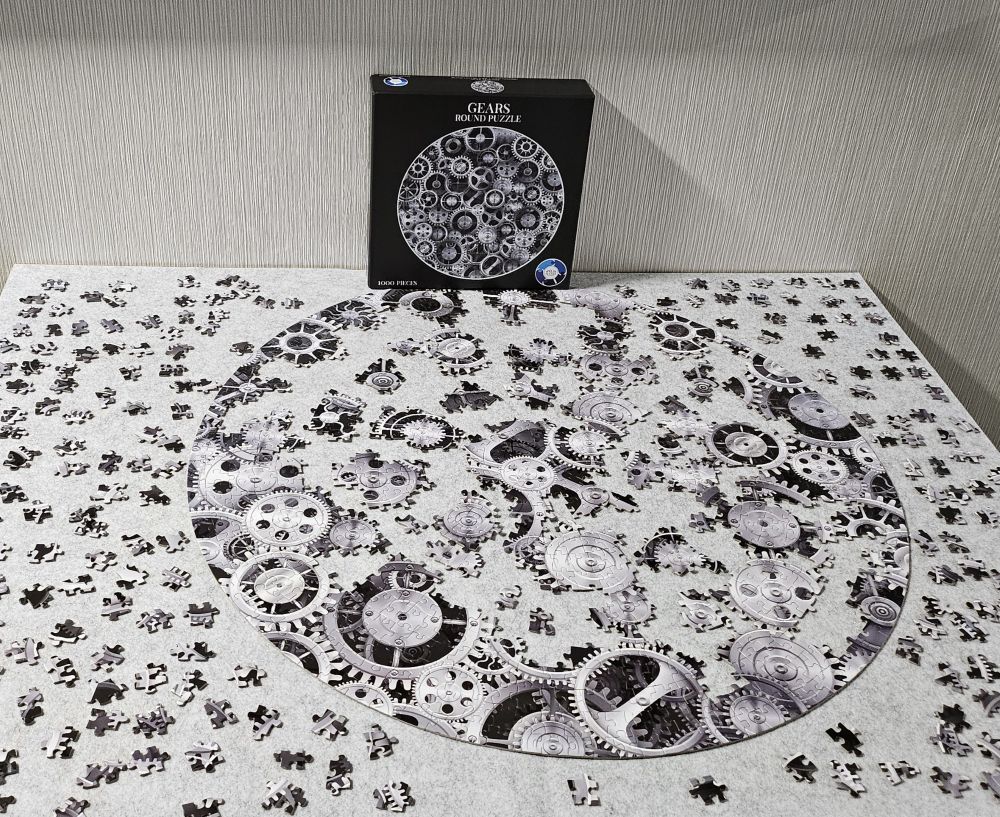
The Puzzle
1,000 pieces, black and white, and round.

Did You Know?
Long before managing enterprise corporate marketing ecosystems, I won first place in an international digital design contest to build a promotional website for DreamWorks' recording artist "Eels." Additionally, a digital print I created was selected for the KNPR 25th Anniversary traveling art exhibit, one of only five pieces out of a field of 76 chosen for the show.