The Great Escape:
Operational Success, Outcome Failure
Since the movie is over 60 years old, it is probably acceptable to discuss the ending of 1963’s hit movie about World War II, “The Great Escape" but, just in case, spoiler alert. The heroes of the film do not all survive. In reality as in the movie, only three of the seventy-six escapees achieved freedom while fifty of them are quickly caught and brutally murdered instead of being returned to the prison camp. The remaining escapees were returned to the prison and no further escape attempts were made. Their eventual release happened when the war ended.
While the outcome was not ideal, the movie presents an organization of teamwork that is so tight, they are able to attempt to do what they were explicitly not supposed to be able to do. The Nazi prison camp was specifically built to hold the Allied prisoners that had attempted escaping in the past. It was supposed to be “escape proof.” Naturally, this was an irresistible challenge for the prisoners and once a plan was developed, each prisoner had a very specific role to play.
The escape plan was complicated: dig three tunnels, build a transportation system, create forged documents, adapt old suits and blankets into German outfits, and prepare 250 men to escape on a moonless night. As the movie illustrates, the execution of the plan was so difficult and specialized that almost every major character wasn't known by his name but role. "The Cooler King," "The Scrounger," "The Tunnel King," "The Forger," and "The Manufacturer” were the iconic names used in the character credits. While it does seem somewhat diminishing to reduce these characters to their activities and not their given names, in the context of the movie and for operational success, it makes sense.
Knowing the role you play on a team is essential. If someone is "The Forger," he or she knows almost exactly what the role requires and the responsibilities.
On a traditional factory line, it is easier to see your place and your impact. In a large office environment, the product is often a system rather than an item so where you are in the assembly line can be unclear. In a large enterprise, it is very important that every person knows the tasks, responsibilities, and impact of their role. In “The Great Escape,” the goal and the plan were clear to everyone and they were able to build an “impossible” escape route.
As AI continues to reshape the office environment, knowing your role will become much more difficult. In many cases, tasks are now being accomplished by AI agents and automation so a person's role can become unclear and possibly diminished. As the work and roles evolve, it is important for a leader to be honest with the team and help team members not just adapt (or change) their roles but define the roles. This definition must include the responsibilities, the tasks, and the contextual understanding of the importance of the role to the organizational goals. Once a person understands the part to be played, likelihood for success increases. At that point, the real "Great Escape" will be from the traditional business structure into the new, AI-driven business model.
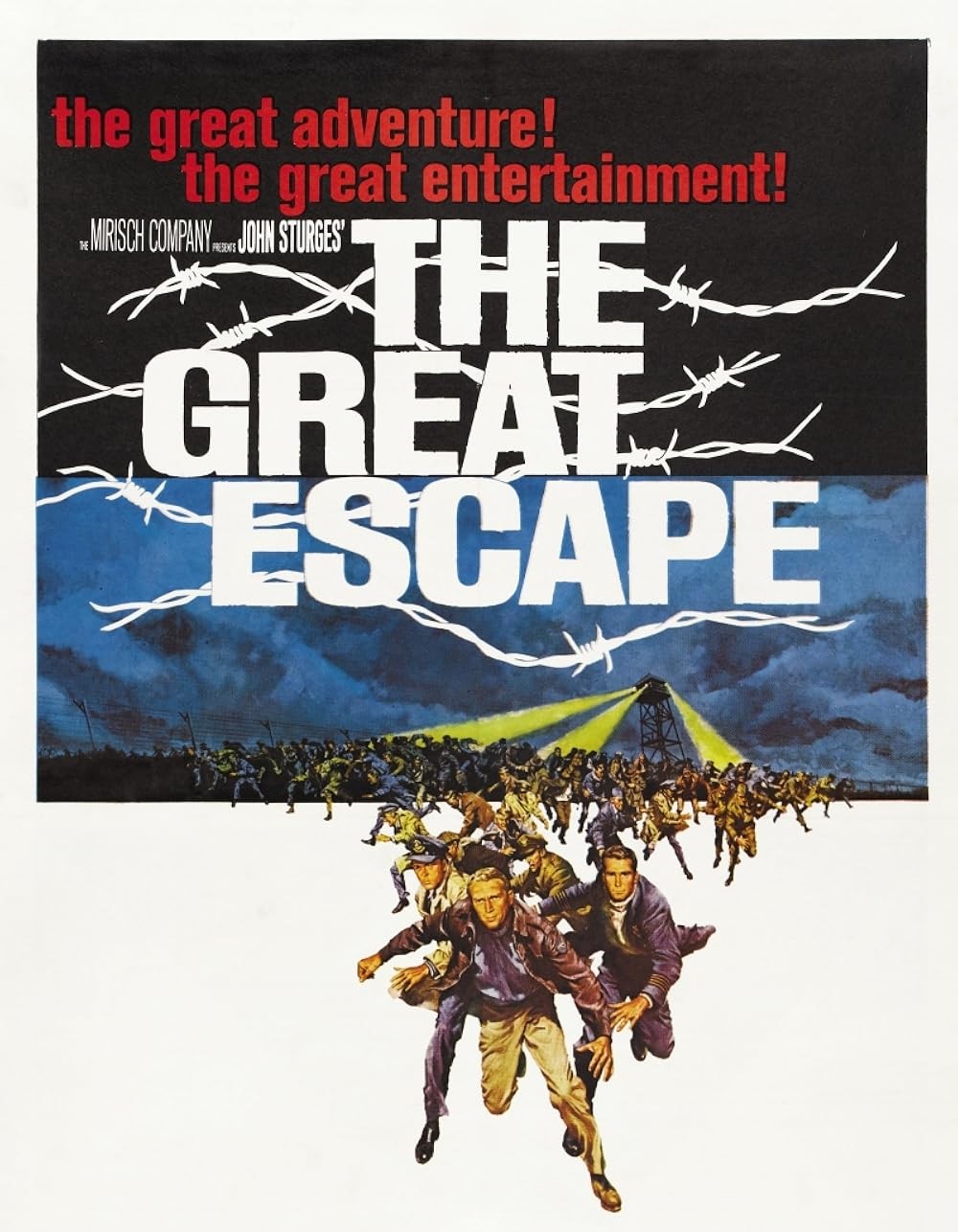
The Great Escape (1963)
Starring Steve McQueen, James Garner, and Richard Attenborough. Directed by John Sturges.

Did You Know?
My portrait is on a card freely floating inside an inflatable capsule in space, orbiting the Earth. As Webmaster for Bigelow Aerospace, my picture was included in a payload for a successful test project of space habitats.