Operational Optimization:
Efficiency in Action
I’ve spent my career helping large organizations like MGM Resorts International move faster. I focus on the 'hidden' side of the business: optimizing budgets, redesigning how teams collaborate, and systematically removing the bottlenecks that hold them back.
"Ben is the best! He knows his stuff, gets things done and just a great guy!"
— Jay Newman, VP & Legal Counsel - Privacy and Marketing Compliance at MGM Resorts
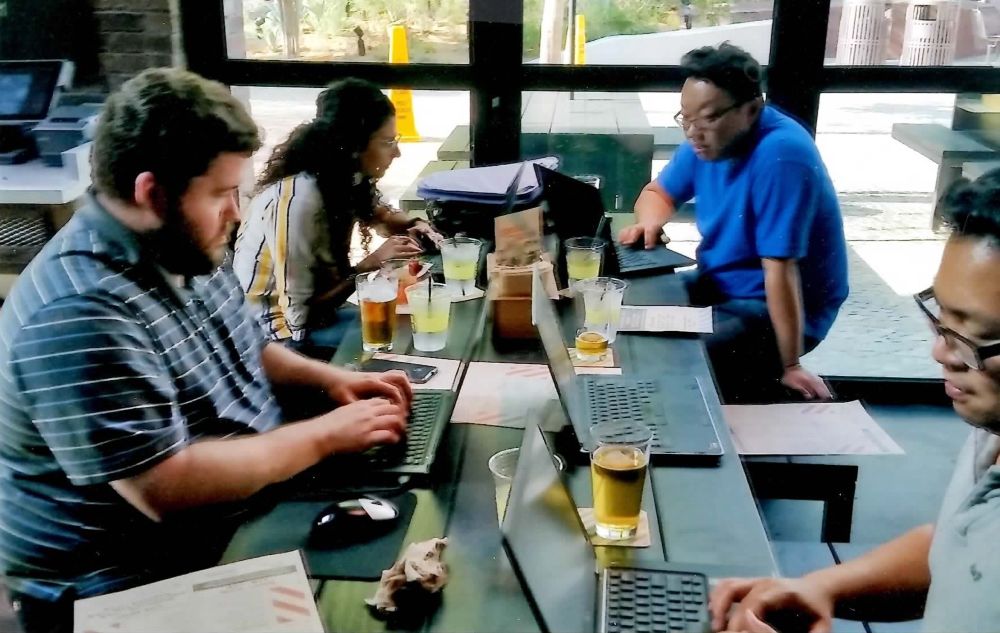
Optimizing processes while maintaining quality
6 Mos
Transformation Timeline
Content system complete ahead of time
$5M+
Capital Budget Managed
Allocated across vendors, products, and tech licenses
9 Years
Average Teammember Tenure
Employee stabilization and satisfaction
Process Operations Briefings
The $1M Creative Operations Overhaul
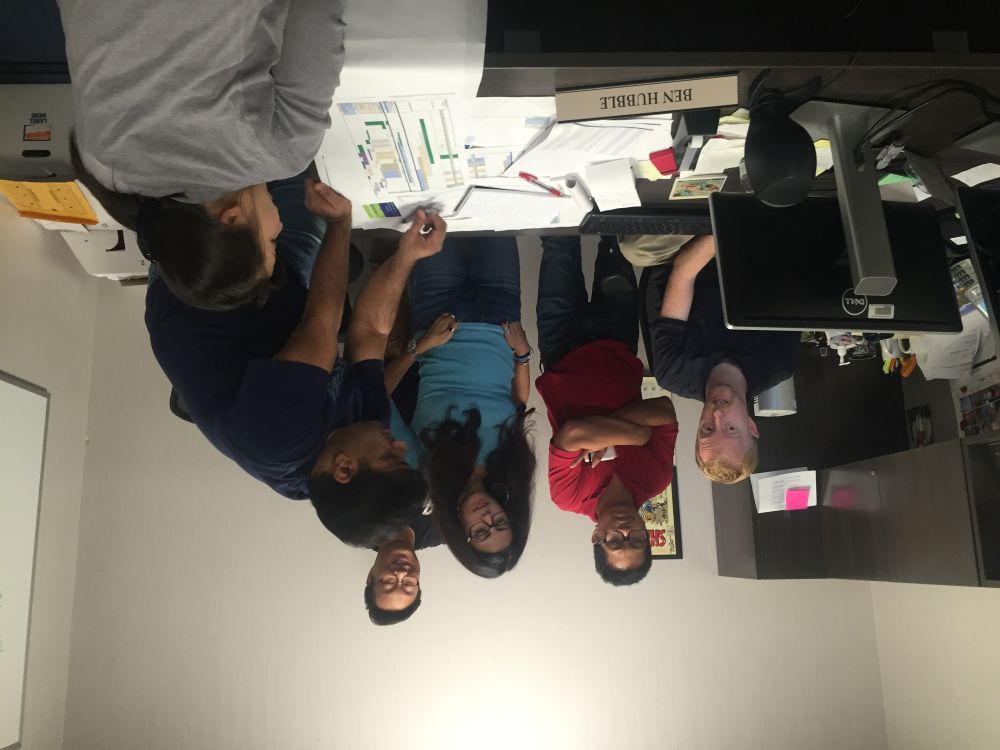
The Challenge When I stepped in to lead the design team, I found a group that was struggling. They had become isolated from the rest of the business; due to outdated processes, they were often viewed as a roadblock rather than a partner. The department was over-resourced for its output, and the lack of a shared system meant quality was all over the map.
The Approach My goal was to refocus the team. I broke down the silos and reorganized everyone into two lean, specialized squads: one for Brand and Marketing, and one for Digital Commerce. I also appointed a lead to own our design system and put a new weekly review process in place. It wasn't about micromanaging; it was about giving everyone a clear path to deliver great work without the friction.
The Business Impact Within six months, the team’s reputation completely flipped—they went from being a bottleneck to a valued business partner. By the end of the year, we had achieved a more sustainable structure, saving over $1 million in operational costs while significantly speeding up our turnaround times. Most importantly, the team felt clear on their purpose and supported in their roles.
Building the Centralized Content Team
The Challenge When we migrated our resort websites to a shared platform, we granted individual properties significant freedom to manage their own content. While that sounded great on paper, it quickly created a mess behind the scenes. We ended up with inconsistent content execution, constant technical hiccups, and no real way to troubleshoot issues across our properties. We needed a better way to support the people actually doing the work.
The Approach I decided to bridge the gap between our creative property teams and the technical side of the platform. I split the two disciplines and built a lean, centralized "expert" team of seven people from around the organization. Their job wasn't just to manage the content—it was to act as the primary support system for the platform, ensuring the technology was reliable so our creatives could focus on their work.
The Business Impact This completely stabilized our operations across more than 20 properties. By centralizing that technical knowledge, we ended the fragmented, "every-team-for-themselves" approach. We established consistent training that actually made sense and found a sweet spot where the enterprise could stay lean and efficient without sacrificing the agility our local marketing teams needed to succeed.
Operational Core
Process Over Architecture
Explicitly prioritizing the optimization of human processes, operational logic, and cross-functional handoffs over raw software architecture.
Workflow Automation
Transforming slow, highly manual legacy approvals into automated, repeatable, and scalable digital pipelines.
Compliance & Risk Mitigation
Partnering directly with legal and data privacy teams to seamlessly integrate complex marketing compliance frameworks.

Did You Know?
The operational framework I designed to restructure our enterprise creative teams didn't just save $1M+ in staffing costs—it completely transformed the department from an internal corporate bottleneck into one of the most agile, cross-functional partners in the company.